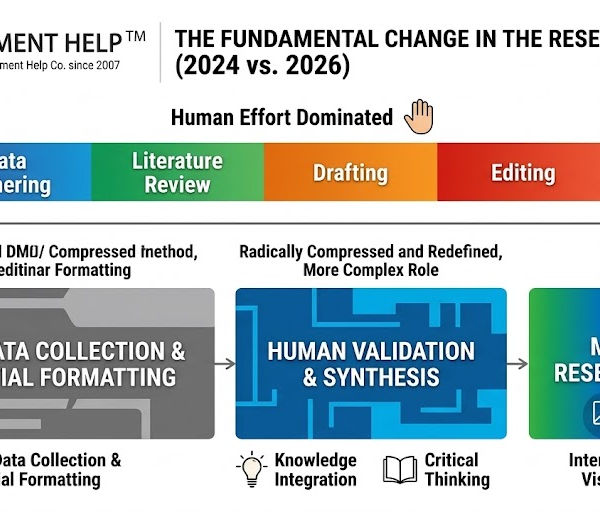
Data engineering designs, builds, and maintains the pipelines that deliver high-quality data for analysis. It separates ingestion, validation, and storage, codifying patterns and automating error handling for continuous data flow. Emphasis on data quality, lineage, governance, and observability enables scalable, trustworthy insights. The approach balances performance, cost, and interoperability while supporting reproducible results. For teams seeking repeatable automation and auditable workflows, the framework offers clear boundaries and measurable outcomes—yet complex tradeoffs remain to be navigated.
What Data Engineering Is and Why It Matters
Data engineering is the discipline of designing, building, and maintaining the data pipelines and infrastructure that enable reliable access to high-quality data for analysis and decision-making.
It enables scalable, automated workflows while upholding data quality, data lineage, data governance, and data observability.
This clarity supports freedom through trustworthy insights, reproducible results, and proactive issue detection across complex, evolving data ecosystems.
From Ingestion to Storage: Building Reliable Data Pipelines
From ingestion to storage, reliable data pipelines begin with a clear separation of concerns: sourcing data, validating it, and routing it to durable storage.
The architecture codifies ingestion patterns, decouples processing, and automates error handling.
Storage formats are chosen for compatibility and longevity.
Testing strategies and monitoring dashboards verify integrity, performance, and scalability, ensuring continuous, autonomous data flow with minimal human intervention.
The Tools, Architecture, and Tradeoffs You’ll Face
Balancing the tools, architecture, and tradeoffs in modern data pipelines requires a disciplined, automatable approach: selecting interoperable components, defining clear interfaces, and evaluating performance, reliability, and cost under realistic workloads.
The approach emphasizes data quality, lineage tracking, data catalog, and schema evolution, enabling scalable governance, repeatable automation, and adaptable architectures while preserving freedom to innovate, iterate, and optimize across heterogeneous environments.
Collaborating for Trustworthy Data: Practices, Governance, and Next Steps
Collaborative governance and reliable data depend on implementing repeatable, automated processes that unify people, policies, and platforms across the data lifecycle.
In this frame, the organization codifies collaboration rituals to standardize exchange, accountability, and decision rights, while measuring outcomes with data trust metrics.
Clear roles, auditable workflows, and continuous improvement sustain scalable trust, enabling autonomous, informed data partnerships and evolving governance.
Frequently Asked Questions
How Do Data Engineers Measure Pipeline Reliability in Production?
In production, data engineers measure pipeline reliability by tracking data reliability, governance balance, and quality metrics; implementing production monitoring, data lineage, and fast cycles to ensure resilient systems, scalable automation, and freedom to iterate responsibly.
What Are Hidden Costs of Data Platform Migrations?
A warning light flickers like a tethered rocket: hidden costs and migration risks loom. The migration impacts data portability and tooling incentives, demanding automation-driven, scalable governance to minimize cost escalations and preserve freedom in platform evolution.
How Is Data Lineage Practically Implemented Across Teams?
Data lineage is implemented via automated metadata capture across pipelines, with data provenance tracing origins, transformations, and destinations. Teams adopt unified catalogs, standard schemas, and governance hooks, enabling scalable, permissioned access and auditable, freedom-friendly collaboration.
Which Metrics Best Indicate Data Quality Abord a Data Lake?
Answering which metrics best indicate data quality aboard a data lake: data quality, lineage accuracy, ingestion freshness, schema stability, metadata completeness, error rate, data coverage, data governance, data trust. Automated dashboards track data lake metrics and governance.
See also: techaram
How Can Teams Balance Speed vs. Governance in Fast Cycles?
Speed to governance and governance to speed are balanced by automated controls, scalable pipelines, and iterative guardrails. The approach emphasizes lightweight governance, continuous testing, and freedom-enabled development, delivering rapid cycles while preserving compliance, traceability, and auditable decision-making across teams.
Conclusion
In the vast forest of data, a meticulous gardener tends three streams: ingestion, validation, and storage. Each苗 sprouts reliability only when guarded by governance and observability, pruning errors before they root. Automation acts as the tireless sun, aligning ecosystems, scaling canopies of insight without fatigue. Where pipelines whisper of drift, engineers stampStepper, turning noise into breadcrumbs of trust. Thus, data thrives—predictable, auditable, and ready to illuminate decisions with disciplined clarity. Automation sustains, governance guides, and outcomes endure.