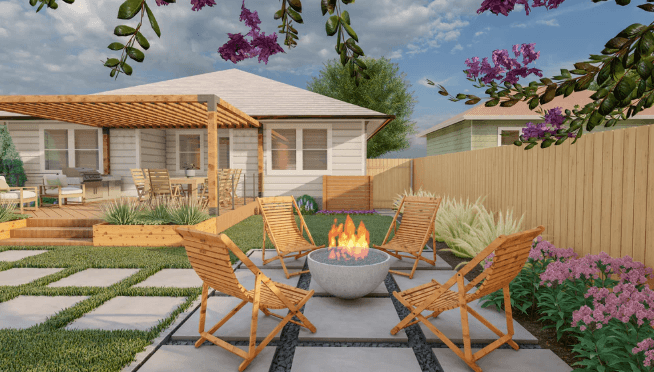
A beautiful backyard emerges when zones guide movement, sightlines, and microclimates into a cohesive system. The design balances bold textures with drought-tolerant plants, aligning growth needs with materials that age gracefully. Weatherproof furniture and energy-efficient lighting extend use beyond summer, while modular seating adapts to daily rhythms. DIY tweaks offer budget-friendly polish, yet each transition remains deliberate. The space invites further exploration, where personal taste meets practical constraints—and the next step waits just beyond the edge of the lawn.
Define Zones to Shape a Cohesive Backyard
Defining zones in a backyard creates a map of function and mood, guiding circulation, sightlines, and microclimates with deliberate clarity.
The approach treats space as an adaptable system, where zone zoning aligns activities with scale, light, and movement.
Texture pairing reinforces identity, while transitions knit disparate areas.
Precision, curiosity, and freedom converge to shape a cohesive, legible outdoor environment.
Pick Plants and Textures That Thrive Together
A cohesive plant palette and texture plan emerge when one pairs species and materials that share compatible growth needs, visual weights, and microclimatic responses. The approach highlights quiet textures alongside thriving companions, guiding choices toward bold palettes and drought tolerant combos. Interdisciplinary insight reveals functional beauty: complementary growth rates, root structures, and foliage contrasts yield resilient, expressive outdoor rooms for freedom-loving gardeners.
Choose Furniture and Lighting for Year-Round Use
Furniture and lighting decisions for a year-round backyard hinge on materials, ergonomics, and climate resilience. The selection blends outdoor lounge seating with modular, adaptable layouts, promoting passive comfort across seasons.
Weatherproof lighting integrates safety and atmosphere, highlighting pathways and focal points.
Strategic contrasts—soft textiles, durable frames, and energy-efficient sources—encourage versatile use while preserving aesthetics and personal freedom in a cohesive outdoor grammar.
Budget-Friendly, DIY Tweaks and Maintenance Tips
Budget-friendly, DIY tweaks and maintenance tips distill practicality into measurable results, guiding readers to stretch value without compromising design intent. The approach defines zones to shape a cohesive backyard, then selects budget friendly strategies for durable materials and easy upkeep. Pick plants and textures that thrive together, choose furniture and lighting for year round use, and implement simple, repeatable maintenance routines.
Frequently Asked Questions
How Do I Protect Pets and Kids in a Landscaped Backyard?
Pet safety is prioritized by establishing hazard free zones and installing pet proof fencing, allowing exploration with supervision; thoughtful plant choices, shaded refuges, and gated zones balance freedom with disciplined boundaries for kids and pets alike.
What Are Low-Maintenance Irrigation Options for Beginners?
Drip irrigation provides steady moisture with minimal oversight; rain barrels supply supplemental water; mulch options reduce evaporation; timer placement optimizes schedules, conserving resources. A disciplined yet imaginative approach suits beginners seeking freedom while cultivating resilient, low-maintenance landscapes.
How Can I Manage Drainage and Soil Health Effectively?
Drainage strategies dilligently determine drains, detours, and drainage; soil amendment routines stabilize structure, feeding fungi, fauna, and flora. The approach blends geology, biology, and design, providing precise, interdisciplinary guidance for readers seeking freedom in resilient landscapes.
Which Seasonal Color Schemes Work Across Every Year?
Seasonal color schemes emerge as adaptable frameworks, while year round palettes prioritize enduring harmony. The approach blends horticulture, design theory, and ecology, offering creative freedom through careful selection of hues, textures, and bloom sequences that span diverse climates.
See also: The Risks of Leveraged Crypto Trading
How Do I Incorporate Sustainable, Eco-Friendly Materials?
A skeptic might doubt feasibility; nonetheless, the design favors sustainable materials and eco friendly sourcing, prioritizing drainage and soil health. It harmonizes seasonal color schemes while integrating interdisciplinary insights for a freer, creative outdoor environment.
Conclusion
In sum, the backyard becomes a well-behaved tapestry, quietly guiding footfalls and sightlines with tactful zones. Plants mingle through thoughtful textures, avoiding clashes and embracing companionship, while weatherproof furniture lounges in plain sight, ready for any season’s mood. Lighting nudges transitions softly, never shouting, and DIY tweaks offer budget-friendly nudges toward polish. The space speaks in subtle cues—functional, resilient, and distinctly personal—so the outdoor room remains inviting, adaptable, and reliably pleasant, even when tastes drift.